
Introducing solid foods to your baby is an exciting milestone, but it can also feel confusing and overwhelming, especially for new moms. Knowing when to start, what foods to offer, and how to ensure your baby’s safety is key to a smooth transition.
In this guide, we’ll walk you through everything you need to know about starting solids with confidence.
When Should You Start Solids?
Most babies are ready for solid foods around 6 months of age. However, every baby develops differently, so look for these signs of readiness:
- Can sit up with little or no support
- Has good head and neck control
- Shows interest in food (reaching or watching you eat)
- Can swallow food instead of pushing it out
Avoid starting solids before 4 months, as your baby’s digestive system may not be ready.
First Foods to Introduce
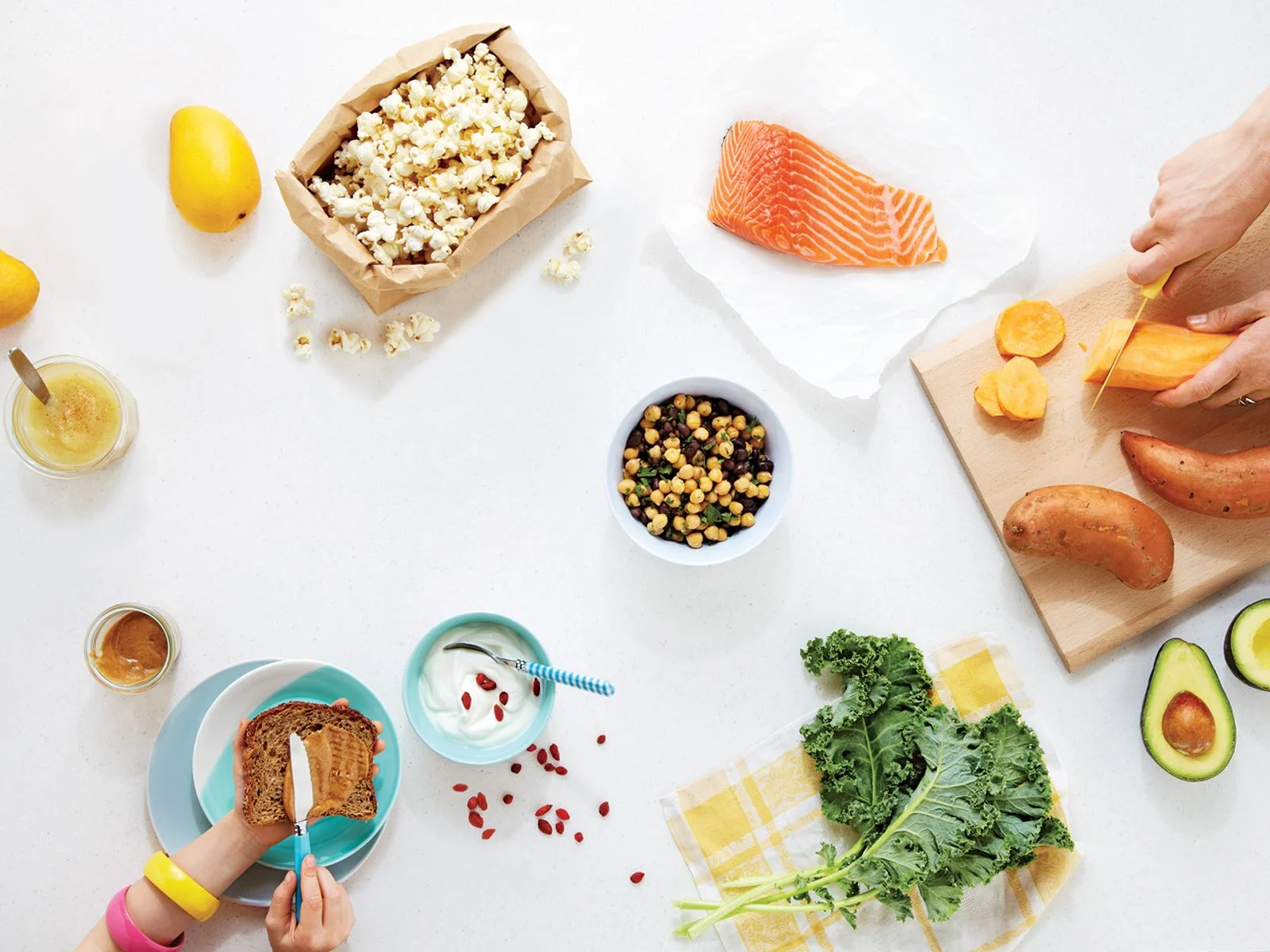
Start with simple, soft, and easy-to-digest foods. Some great first options include:
- Mashed bananas
- Pureed apples or pears
- Cooked and mashed carrots or sweet potatoes
- Rice cereal or oatmeal (iron-fortified)
- Mashed avocado
Tip: Introduce one new food at a time and wait 3–5 days to check for allergies.
Breastmilk or Formula Still Matters
Even after starting solids, breast milk or formula remains your baby’s main source of nutrition until age one. Solids are just a supplement at this stage.
Foods to Avoid
To keep your baby safe, avoid:
- Honey (risk of botulism)
- Whole nuts or hard foods (choking hazard)
- Cow’s milk as a main drink before 1 year
- Added sugar and salt
- Processed or junk food
How Much Food Should You Give?
Start small, just 1–2 teaspoons once a day, and gradually increase as your baby gets used to eating.
Let your baby guide you:
- If they turn their head away, they are full
- If they open their mouth, they want more
Feeding Tips for Moms
- Sit your baby upright while feeding
- Use a soft spoon and small portions
- Be patient, babies may reject food at first
- Make feeding time calm and stress-free
- Never force-feed
Watch for Allergies
Some common allergenic foods include eggs, peanuts, dairy, and wheat. Introduce them one at a time and watch for:
- Rashes
- Vomiting
- Swelling
- Difficulty breathing
If severe symptoms occur, seek medical help immediately.
Final Thoughts
Starting solids is a journey of exploration for both you and your baby. Every child is different, so do not worry if progress feels slow. Focus on creating a positive and safe feeding experience.